

Local. Trusted. Invested.


Here in Michigan, We Have a Problem.
Our families, farms, and businesses rely on access to clean, dependable water. But today, that access is threatened by the very system meant to protect it.
The Water Withdrawal Assessment Tool (WWAT) system the State uses to decide who can drill large-capacity wells or continue using existing wells is deeply flawed. Its one-size-fits-all formula doesn’t reflect real conditions on the ground, yet its decisions carry real, lasting consequences for the people who depend on water every day.
What should be a fair and transparent process has instead become a distant, impersonal system in Lansing that too often overrides the rights of local water users.

There are 52,000 miles of streams and 11,000 lakes larger than 5 acres

There are 4,300 farms in Michigan that irrigate a total of 850,000 acres
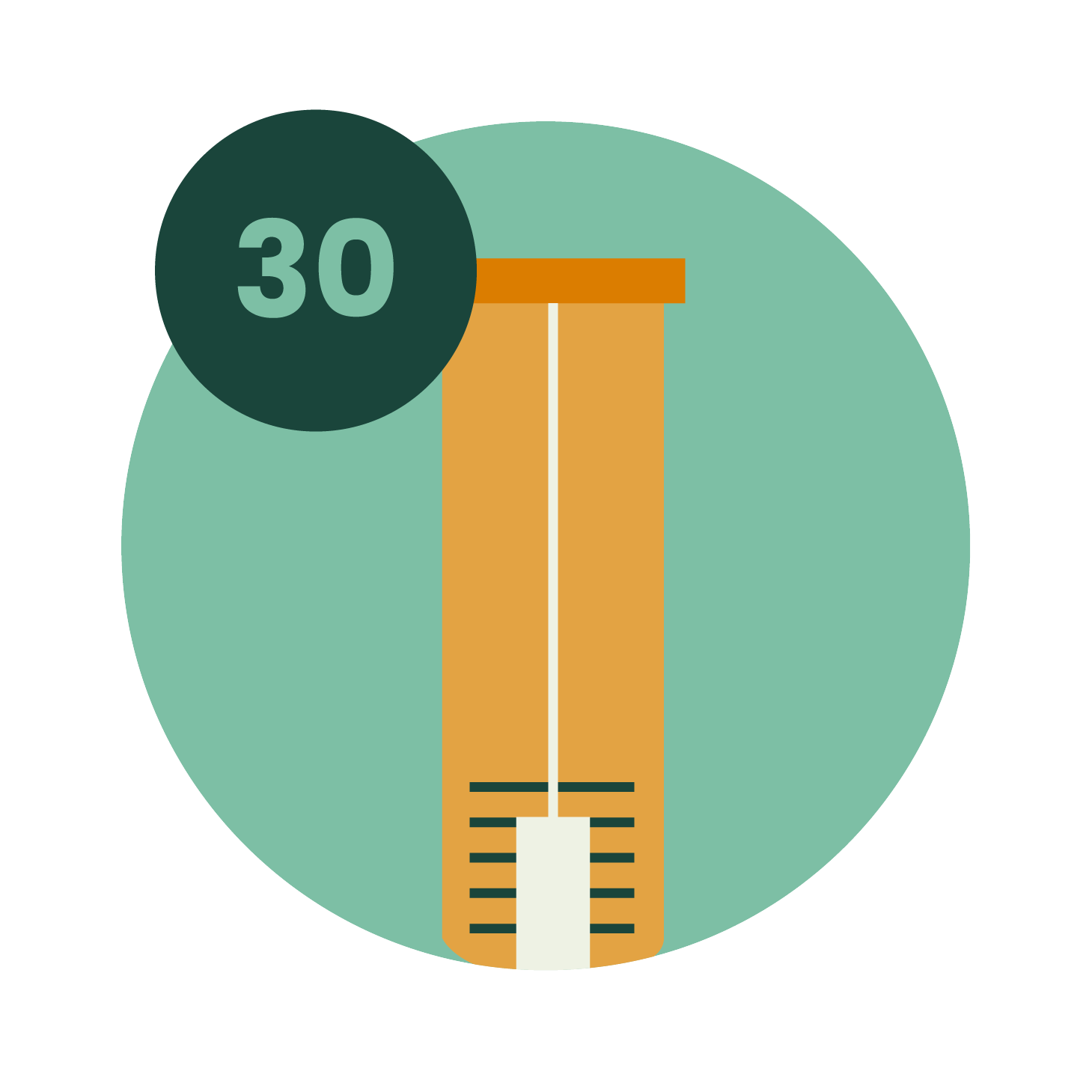
The State operates only 30 monitoring wells and only 200 stream gages


Why It Matters
When the WWAT gets it wrong, the impact is immediate and personal:
Homes, farms, and businesses risk losing essential water access.
Generational water rights can be restricted or denied.
Growers face the potential for devastating economic losses.
This isn’t just about regulations. It’s about livelihoods, property values, community stability, and the long-term future of Michigan’s water-dependent industries.

A New, Fair Site-Specific Review Process
Instead of relying on an unreasonable and unrepresentative analytical model, we’re fighting for local Water Districts, powered by real-world data, continuous monitoring, and sound science.
With Water Districts, growers can:
Measure the water resources and pumping impacts

Monitor the local streams and aquifers

Model the long-term resource trends and impacts

Manage water use responsibly and confidently
This isn’t an unverified theory. It’s a practical, data-driven solution that ensures the people who depend on the water can trust the decision-making process.

It’s Up to Us
Collective Strength- United, we cannot be ignored.
Expert Support- Scientists, hydrologists, and legal experts help challenge the flawed decision-making process and build a better system.
A Clear Plan- A path forward that puts water users at the forefront of conversations surrounding water use decisions.

“This is all about trust.”
Local Michigan Farmer
“We never thought it would happen to us.”
Local Michigan Farmer
How Water Districts Work
REGIONAL APPROACH
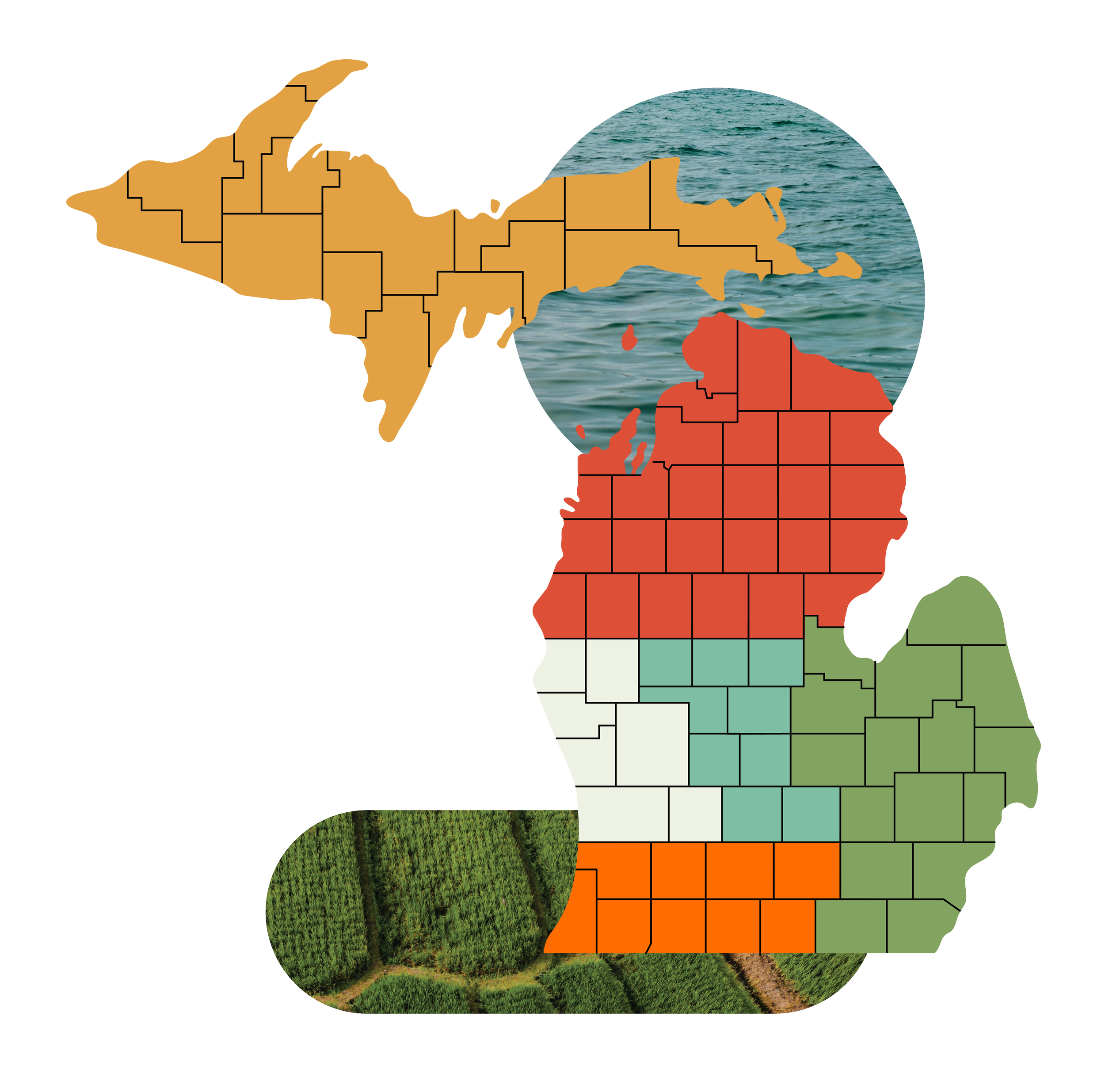
Divide the state into six water districts each with its own Board of Directors.
LOCAL REPRESENTATION
The board of directors is made up of water users from that District.
LOCAL DATA & LOCAL MODELS
Districts collect data and build models for their area using professional hydrogeologists.
FAIR DECISIONS
Your well, your community, your data...that’s what guides the board..
ACCOUNTABILITY
A group of 8 independent, qualified groundwater professionals reviews Board decisions..
Want more details? Check out all the details here
APPEALS
Disagree with the final decision? You can appeal without going to court.